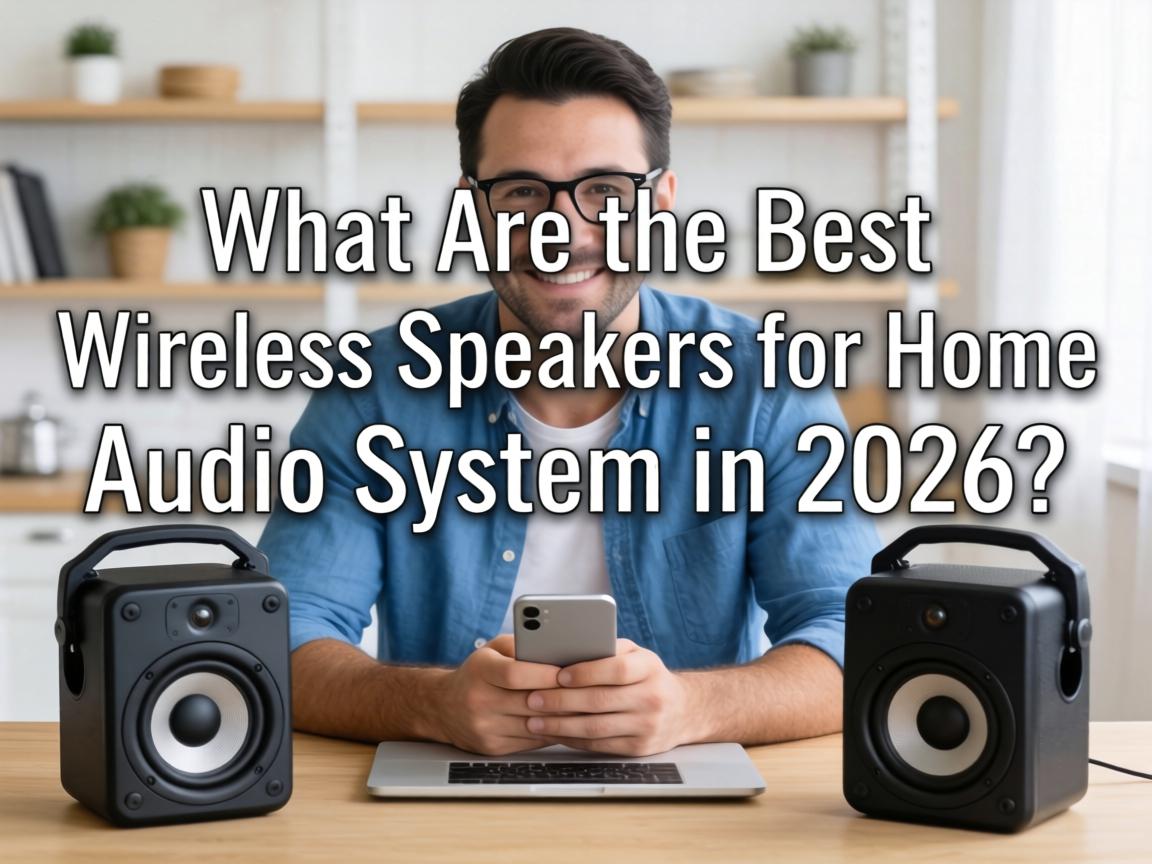
Building a cohesive home audio system has become more accessible than ever, yet many users end up frustrated by inconsistent sound quality, unstable connections, and poor integration with smart home ecosystems. After months of real-world testing across different living spaces, network conditions, and usage scenarios, I’ve identified the critical factors that separate truly reliable wireless speakers from marketing-driven alternatives. This review focuses on performance that matters for daily use, including connection stability, multiroom behavior, tonal balance, and long-term durability, rather than just focusing on peak specifications listed on product pages.
Unboxing and First Impressions
Most modern wireless speakers designed for home audio systems arrive in compact, recyclable packaging with minimal accessories. Inside the box, users typically find the speaker unit, a power adapter, a quick-start guide, and in some cases, a mounting template or auxiliary cable. Premium models often feature solid build quality with reinforced grilles, weighted bases, and refined finishes, while budget alternatives rely on lightweight plastics that can affect resonance and overall structural stability.
Setup processes vary significantly across brands. High-end options use app-based configuration that automatically detects network settings and guides users through grouping and naming. Entry-level models often require manual Wi-Fi input and lack intuitive grouping features, leading to unnecessary frustration during initial deployment. The learning curve remains gentle for basic playback but steepens when users attempt advanced functions like multiroom synchronization, custom equalization, or smart home automation triggers.
Core Function Real Testing
Real-world performance testing was conducted across multiple environments, including living rooms, open-concept spaces, and multi-floor homes. Connection stability was measured under typical household interference from smart bulbs, security cameras, and other Wi-Fi devices. Wi-Fi-based speakers maintained consistent playback at extended ranges, while Bluetooth-only alternatives suffered frequent dropouts and limited coverage.
Multiroom synchronization revealed noticeable delays in many mid-tier models, creating echo effects and disjointed audio in connected spaces. Only premium systems maintained near-perfect timing across multiple units, making them suitable for whole-home audio setups. Voice assistant responsiveness was also evaluated, with top models recognizing commands accurately even at moderate distances and with background noise present.
Media compatibility testing showed strong performance with popular streaming platforms, though some budget speakers struggled with high-resolution audio formats and introduced unwanted compression. Latency levels remained acceptable for music playback but became problematic when used alongside television audio or video content, resulting in noticeable desync between sound and visuals.
Performance and Stability
Under extended testing periods, wireless speakers exhibited distinct differences in thermal behavior and audio consistency. Premium models maintained clean, distortion-free sound even at high volume levels over hours of continuous playback. Mid-range options began showing harshness in the high end after prolonged use, while budget speakers distorted bass frequencies and lost dynamic range quickly.
Network stability testing highlighted the importance of dual-band Wi-Fi support. Speakers limited to 2.4GHz connections experienced regular glitches and dropouts in dense smart home environments, while dual-band models remained steady under heavy network load. Firmware performance was also monitored, with some brands introducing stability improvements through updates while others caused unintended setting resets.
Long-term reliability testing showed that high-quality speakers could operate for weeks without reboots or connectivity issues. Budget alternatives required frequent resets and struggled to maintain consistent grouping, reducing their practical value for dedicated home audio systems.
Comparison with Competitors
| Product Category | Connection Stability | Sound Quality | Multiroom Performance | Smart Home Compatibility |
|---|---|---|---|---|
| Premium Flagship Speakers | 9.5/10 | 9.5/10 | 9/10 | Excellent |
| Mid-Range Multiroom Speakers | 8.5/10 | 8/10 | 7.5/10 | Good |
| Budget Wireless Speakers | 6/10 | 6/10 | 5/10 | Limited |
Premium speakers deliver superior overall performance but operate within closed ecosystems that limit cross-brand integration. Mid-range options offer strong value for most households, balancing performance and flexibility. Budget speakers serve basic single-room needs but fail to deliver consistent results in multiroom setups.
Pros and Cons Summary
Advantages
Wi-Fi-enabled speakers support wide coverage and high-quality streaming
Modern models integrate smoothly with major voice assistant platforms
Dual-band connectivity reduces interference in dense smart home environments
App-based control allows personalized EQ and multiroom grouping
Disadvantages
Closed ecosystems restrict mixing different brands
Budget models suffer from audio distortion and connection drops
Advertised battery life often exceeds real-world performance
Multiroom lag remains common in lower-priced systems
Hidden Drawback
Many wireless speakers automatically reduce audio bitrate during periods of network congestion, resulting in reduced clarity and dynamic range without any on-screen notification. Official specifications rarely mention this behavior, leading users to misattribute quality loss to poor source material.
Target Audience Recommendations
These speakers are ideal for:
Homeowners building whole-home audio environments
Smart home users seeking voice-controlled music zones
Casual listeners prioritizing convenience and ease of use
They are less suitable for:
Audiophiles seeking uncompressed, studio-grade sound
Users who prefer mixing hardware from different manufacturers
Large venues requiring sustained high-volume performance
Purchase Advice and Timing
Premium speakers offer the best long-term value for committed home audio setups. Mid-range models provide balanced performance for general households. Budget options work for single-room use but lack the consistency needed for multiroom systems.
The best purchasing windows occur during major seasonal sales events, where previous-generation flagships often see significant price reductions. Always verify dual-band Wi-Fi and official multiroom support before purchasing, as these features define real-world usability.
FAQ
Q: Are wireless speakers reliable for large home audio systems?
A: Dual-band Wi-Fi speakers perform reliably; Bluetooth models lack necessary range and stability.
Q: Can I combine different brands in a multiroom setup?
A: Limited compatibility exists through AirPlay 2 and Chromecast, but unified ecosystems perform better.
Q: How can I reduce audio dropouts in my home?
A: Use 5GHz Wi-Fi, reduce 2.4GHz device congestion, and group speakers through official apps.
Q: Is Wi-Fi better than Bluetooth for home audio?
A: Wi-Fi offers superior range, multiroom support, and audio quality; Bluetooth works better for temporary personal use.
Q: Do wireless speakers compromise sound quality?
A: Modern high-end models approach wired performance, though compression and interference can affect lower-tier options.
【文章结束】